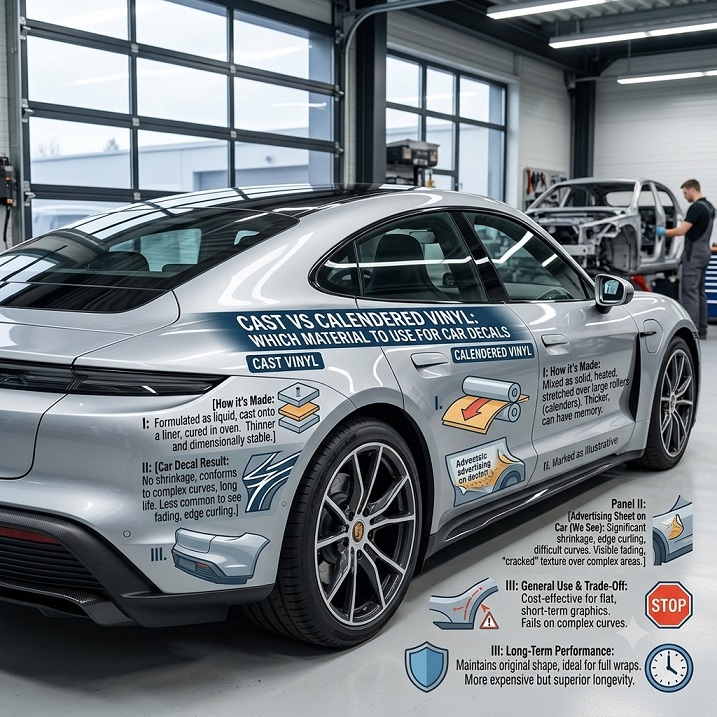
We make and sell vinyl decals, and which vinyl is right for a car is a question that comes up a lot. The two names you will see most often are cast and calendered. If you are looking at cast vs calendered vinyl, the short answer for a vehicle is that the material matters a lot more than most people expect.
This page explains the difference in plain words and shares what we have seen when an ordinary advertising sheet ends up on a car.
Cast vs Calendered Vinyl in Plain Words
The two names describe how the film is made.
- Cast vinyl is made by spreading liquid vinyl onto a smooth carrier sheet and letting it set. The result is a thin, soft film that relaxes easily into curves.
- Calendered vinyl is made by pushing heated vinyl through large rollers to flatten it into a sheet. The film is usually thicker and stiffer, and it likes flat surfaces.
Both are sold as sticker material, and both have their place. The question is which one suits the job.
Calendered Vinyl vs Cast: A Quick Comparison
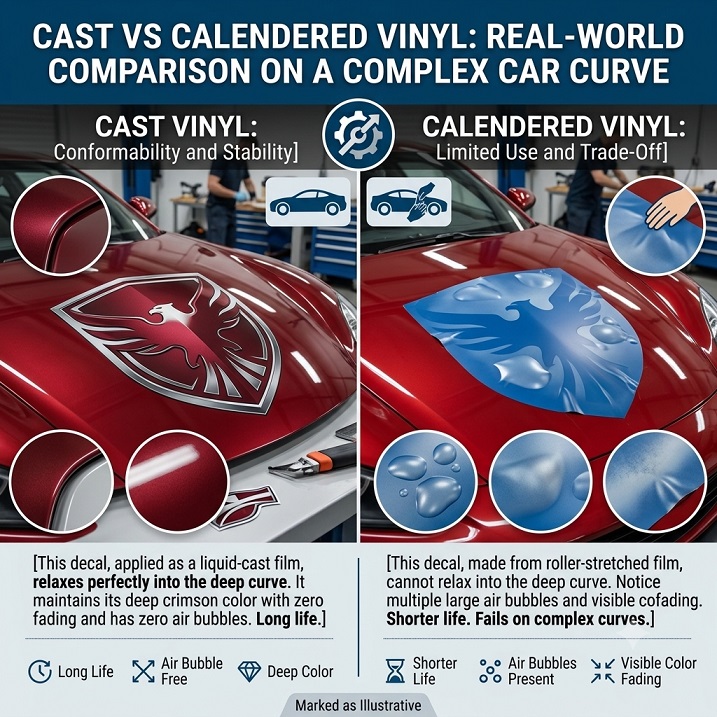
If you are comparing calendered vinyl vs cast vinyl, you are usually after one thing: which film behaves better outdoors. Here is a general comparison. These are typical tendencies, not guarantees, and they vary from one product to the next.
| Cast vinyl | Calendered vinyl | |
|---|---|---|
| How it is made | Liquid vinyl cast onto a carrier sheet | Vinyl rolled into a sheet |
| Feel | Thin and soft | Thicker and stiffer |
| Curves | Follows curves more easily | Better on flat or gently curved surfaces |
| Over time | Tends to stay more stable | May shrink or change more |
| Common use | Vehicles and long-term outdoor use | Flat signs and shorter-term use |
Not All Calendered Vinyl Is the Same
One caution before you go further. Calendered films come in different grades, from basic sign material to higher-quality films made for vehicles. So “calendered” does not automatically mean “bad for cars,” and “cast” does not automatically mean “good.” This is general industry knowledge, so check the manufacturer’s data sheet for the exact product you plan to use.
What We See When General Sheet Goes on a Car
Our own experience comes from putting ordinary advertising sheet on vehicles. I should be clear about what that experience is: we compared general-purpose advertising sheet with sheet made for vehicles. We cannot tell you which manufacturing method any particular sheet used. A general-purpose sheet used on a car tends to cause three problems:
- Air bubbles during application. Bubbles form easily underneath the film and are hard to push out.
- Weak resistance to sunlight. The color changes quickly when it sits outside under ultraviolet light.
- Surface damage on removal. When the sheet comes off, it can harm the car’s surface.
None of this is a surprise once you see the difference in what each sheet is made for. Signs for a shop wall or a window do not face the same sun, heat and washing that a car does.
Why Vehicle-Grade Vinyl Works Better on Cars
A sheet made for vehicles solves the problems above in three ways:
- It stands up to ultraviolet light. The color stays closer to how it looked on day one.
- The back of the sheet has an air-release pattern. Tiny channels let trapped air move sideways and escape, so bubbles are much easier to deal with during installation.
- It removes cleanly within its service life. If the decal comes off while the material is still within its stated lifespan, the surface underneath is much less likely to be harmed, so the paint is protected compared with a general advertising sheet.
That last point is worth remembering. Even good vinyl will become harder to remove if you leave it on far past its intended life. Check the manufacturer’s stated lifespan for the product you choose.
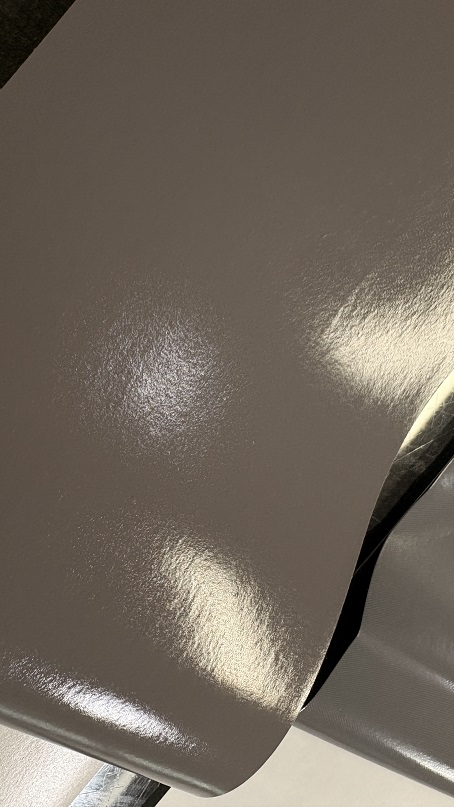
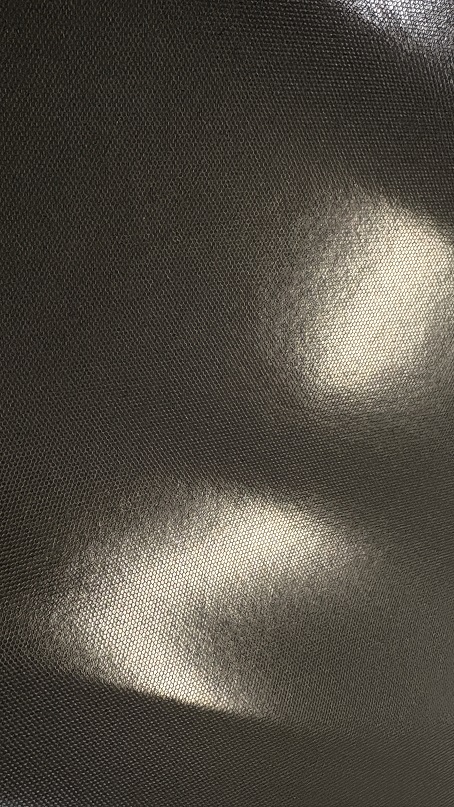
When comparing standard signage vinyl with premium automotive wrap vinyl (such as Avery Dennison), the main difference lies in the design of the adhesive backing.
Cast Vinyl vs Calendered: Which Surface Is It For?
In the cast vs calendered choice, the shape of the car makes a big difference:
- Flat glass or a flat panel. A small decal on a flat window is the easiest job, and a calendered film can work fine here if it is made for outdoor use. Our guide to applying vinyl decals to car windows covers the steps.
- Curves, bumpers and recessed areas. A soft film that follows curves is a safer choice. A stiff film tries to spring back.
- Long-term outdoor use. If the decal will stay on a car for a long time, choose a material meant for vehicles.
How to Choose Vinyl for a Car Decal
Use this short checklist before you buy:
- Is it made for vehicles? Look for sheet described as suitable for vehicle use, not only for signs.
- Does it have an air-release back? It makes installation much easier.
- How long do you need it to last? Check the manufacturer’s stated outdoor lifespan.
- What shape is the surface? Flat surfaces are forgiving. Curved surfaces need a more conforming film.
- Will you remove it later? Plan to remove it within the stated service life.
- Ask for a spec sheet. The product data sheet tells you more than a general description.
What to Do Next
Once you have picked a material, the vinyl decal application mistakes page helps you avoid the common problems during install. If you ever need to take a decal off, our guide to removing old car stickers without damaging paint covers a gentle method. If you sell decals, the vinyl decal pricing calculator helps you work out a price for your own work. And once the decal is on, the article on vinyl wrap protection and ceramic coating shows how to protect vinyl from the sun.
A Note on What This Article Is Based On
To keep this honest: what we describe about ordinary advertising sheet on cars, which is bubbles during application, color change from ultraviolet light and surface damage on removal, along with the benefits of vehicle-grade sheet, is our own experience. The explanations of how cast and calendered vinyl are made, and how each tends to behave on curves and over time, are general industry knowledge, not a claim about any particular brand or product. Properties vary between manufacturers, so check the data sheet. We have not quoted prices or specific lifespans.
Frequently Asked Questions
1. What is the main difference between cast and calendered vinyl?
Cast vinyl is made from liquid vinyl spread onto a carrier sheet and tends to be thin and soft. Calendered vinyl is rolled into a sheet and tends to be thicker and stiffer.
2. Which is better for car decals?
For a vehicle, we recommend vinyl made for vehicle use. In general, a soft film that follows curves and holds up outdoors is a safer choice than a general advertising sheet.
3. Why do air bubbles form so easily under some vinyl?
Without a way for air to escape, bubbles stay trapped. Vehicle-grade sheet has a pattern on the back that lets air move out, which makes installation easier.
4. Can ordinary advertising sheet damage car paint?
In our experience it can, especially when it is removed after being on a car for a long time. Using vehicle-grade vinyl and removing it within its stated service life reduces that risk.
5. Does calendered vinyl have any good uses?
Yes. It is commonly used for flat signs and shorter-term jobs where the surface is flat and the conditions are mild.
6. Is every calendered vinyl bad for cars?
No. Calendered films come in different grades, and some are made for vehicle use. Check the data sheet for the product you plan to buy instead of judging by the manufacturing method alone.
7. Is cast vinyl more expensive than calendered?
In general cast films tend to cost more, but prices vary by supplier and product, so compare quotes for the exact material you need.
8. Can I use calendered vinyl on a car window?
A small decal on flat glass is usually the easiest case. Make sure the film is rated for outdoor use, and see our guide to applying decals to car windows for the steps.
9. How do I find out which type of vinyl I have?
Ask your supplier or check the product data sheet. It normally says whether the film is cast or calendered and how long it is rated to last outdoors.
10. How long can I leave a vehicle decal on the car?
It depends on the product’s stated service life. Plan to remove it within that period, because vinyl left on far past its intended life is harder to remove cleanly.
※ LICENSE & TERMS OF USE
- Personal Use Only: This vector file is provided strictly for personal DIY projects and non-commercial purposes.
- Modification Allowed: You are free to edit, resize, or modify this file for your own personal use.
- No Commercial Sale: Mass production, selling physical items made with this file, or any commercial exploitation is strictly prohibited.
- No Redistribution: You may not re-upload, share, or resell the digital files (SVG/AI) on any other platform.
DISCLAIMER
This file is provided "AS IS" without warranties of any kind. DVG (Detail Vector Garage) assumes no responsibility or liability for any trademark, copyright, or legal issues arising from the use of this file.